Portfolio Details
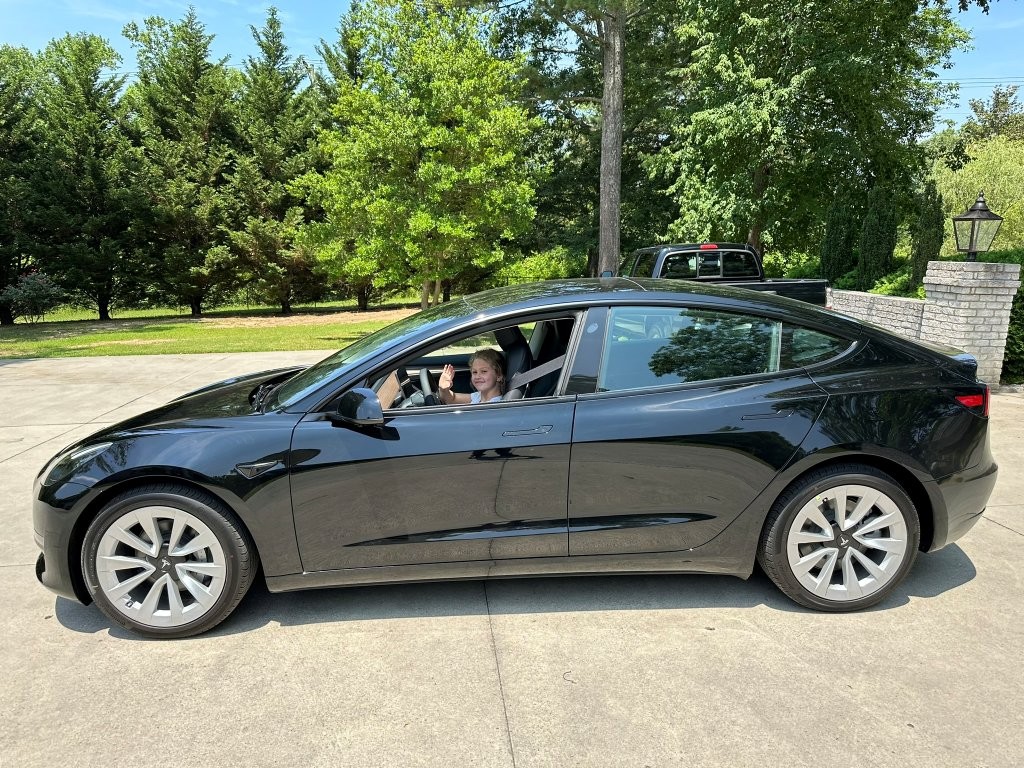
Tesla Model 3 (2023) Battery Life Expectancy
The battery in a 2023 Tesla Model 3 is designed to last the lifetime of the vehicle, which Tesla estimates at around 200,000 miles (or 10–20 years under typical driving conditions). In real-world use, the battery typically retains 80–90% of its original capacity after 200,000 miles, with degradation slowing over time. For example, high-mileage fleets like Tesloop have reported only about 10% capacity loss after 300,000 miles on similar models.
However, "life expectancy" can refer to either practical longevity or the point at which replacement might be needed (e.g., when range drops significantly below 70–80% capacity). Tesla's official Battery and Drive Unit Limited Warranty provides a guaranteed minimum: the battery will retain at least 70% of its original capacity for the coverage period. If it falls below this, Tesla will repair or replace it at no cost.
Warranty Coverage by Variant
The exact mileage limit depends on your Model 3 trim (Rear-Wheel Drive, Long Range AWD, or Performance). All variants share an 8-year time limit, whichever comes first:
| Variant | Mileage Limit | EPA Estimated Range (Full Charge) | Notes |
|---|---|---|---|
| Rear-Wheel Drive (Standard Range) | 100,000 miles | ~272 miles | Base model; LFP battery in some markets for better longevity. |
| Long Range AWD | 120,000 miles | ~341–358 miles | Dual-motor; most common long-range option. |
| Performance AWD | 120,000 miles | ~315 miles | High-performance variant; similar battery to Long Range. |
Source: Official Tesla warranty details and U.S. News & World Report reliability data for the 2023 model year.
Degradation is measured as a percentage of original capacity, not displayed range miles (which can fluctuate with software updates or weather).
Factors Affecting Battery Longevity
Battery health isn't fixed—it varies based on usage:
- Driving Habits: Frequent fast acceleration, high speeds, or extreme climates (hot/cold) accelerate degradation. Aim for 80–90% daily charge limits and preconditioning.
- Charging Practices: Limit Supercharging to 20–30% of sessions; home Level 2 charging is gentler. LFP batteries (in some RWD models) handle 100% charges better.
- Maintenance: Keep software updated for efficiency gains. Avoid letting the battery sit at 0% or 100% for long periods.
- Real-World Data: Owners report 5–10% loss after 50,000 miles, stabilizing thereafter. Extreme cases (e.g., taxi fleets) show 300,000+ miles with usable capacity.
Replacement Costs (Post-Warranty)
If the battery degrades beyond warranty without a defect, expect to pay $10,000–$20,000 for a replacement (parts + labor), depending on trim and provider. Third-party options like GreenTec Auto may be cheaper with their own 4-year/50,000-mile warranties.
For your specific vehicle, check the battery health via the Tesla app (under Service > Battery) or schedule a service appointment. If you provide your exact trim or mileage, I can refine this further!
When I'm driving the Tesla, taking my 88 year-old Dad to one of his doctor appointments (which is pretty often these days), he always asks "what will you do when this battery dies?" If I fail to respond quick enough, he will say "I guess you'll just have to buy another car."
